
I spend an embarrassing amount of time obsessing over top-of-funnel traffic.
A few months ago, I was looking at the analytics dashboard for my main site, Profit Shield AI. Our new content strategy was finally hitting that sweet spot. Our Pinterest ecosystem was driving roughly 5 million monthly impressions—the exact benchmark I use to keep the lead pipeline full without trying to compete with massive, bloated market leaders.
Traffic was surging. Leads were actively booking discovery calls. The calendar was packed. Everything looked absolutely perfect on the spreadsheet.
But our actual closed revenue? It was completely flat.
The leads were getting on the phone, having what my reps called “great conversations,” and then simply vanishing into the void. When I asked the team what was going wrong, I got the usual excuses: “They didn’t have the budget,” or “The timing just wasn’t right.”
It drove me crazy.
Imagine an NFL quarterback throwing three interceptions, going home, eating dinner, and going to sleep without ever watching the game replay. He is guaranteed to make the exact same mistakes next Sunday.
That is exactly how most of us run our sales calls. We are flying completely blind.
Phase 1: Breaking Open the “Black Box”
The biggest bottleneck in any service business or agency is the “Black Box” of the actual sales call. The moment your rep joins the Zoom link, you lose all visibility.
Before bringing AI into our tech stack, I was suffering from classic sales blindness:
- Script Drift: I had written a highly optimized value proposition. But were the reps actually saying it, or going rogue? I had no idea.
- The “Call-Ended” Mystery: I noticed calls abruptly ending around the 12-minute mark. I couldn’t figure out why until I realized my reps were monologue-ing so hard that prospects were making up excuses to hang up.
- Subjective Coaching: Giving feedback based on a “gut feeling” makes reps defensive. But saying, “The data shows you talked for four straight minutes without letting the client speak,” is an undeniable, actionable fact.
This is where Conversation Intelligence tools like Gong, Fathom, or Close CRM change the game. They record, transcribe, and analyze every single interaction, turning unstructured human audio into hard revenue data.
Phase 2: The Metrics That Actually Matter
If you want to scale your revenue, you have to measure the right things. Once I hooked up an AI tool to our meeting software, two specific metrics completely changed how we operate.
1. The “Talk-to-Listen” Ratio This was the most painful metric to look at. The AI analyzes exactly who is holding the floor during a call.
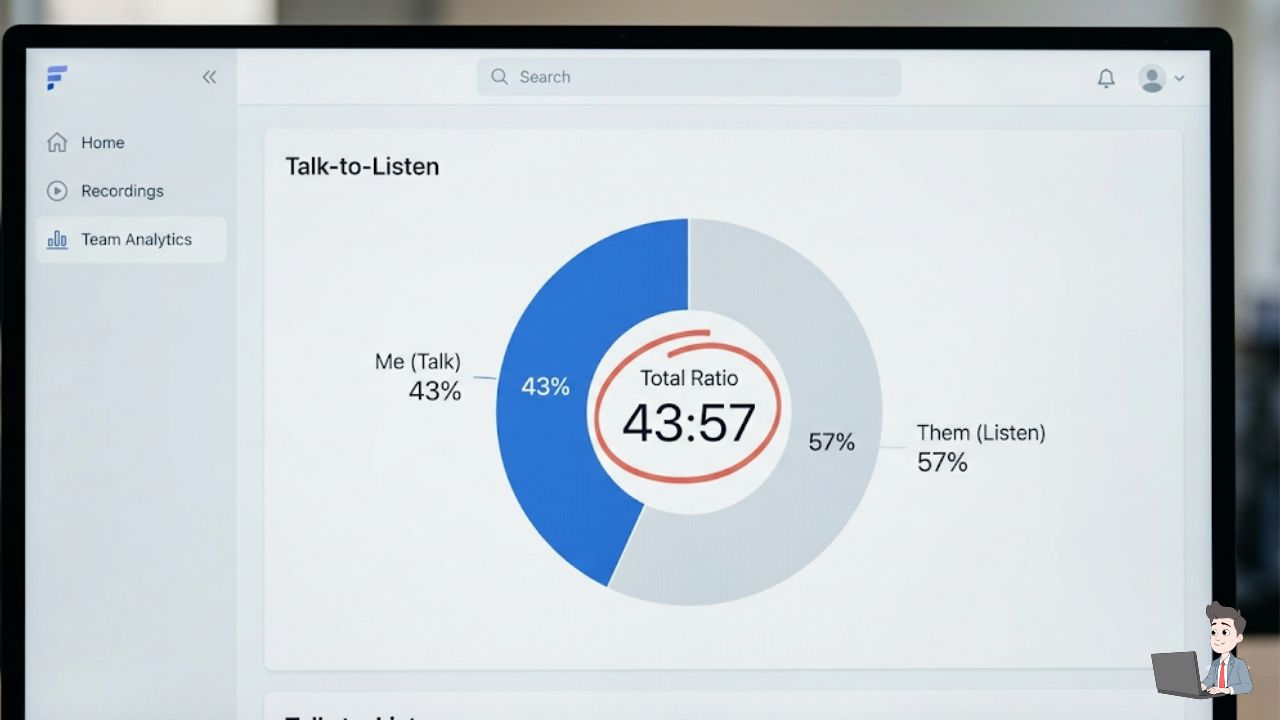
When I looked at my underperforming calls, the rep was doing 70% of the talking. They were aggressively feature-dumping and hoping something stuck.
Industry benchmarks show that top-tier closers have a 43:57 Talk-to-Listen Ratio. They actually spend the majority of the call listening. When you show a rep a pie chart proving they didn’t let the client speak, the behavior changes overnight.
2. The 30% Automation Rule I tell my team all the time: Do not try to automate the human connection. That’s how you sound like a robot.
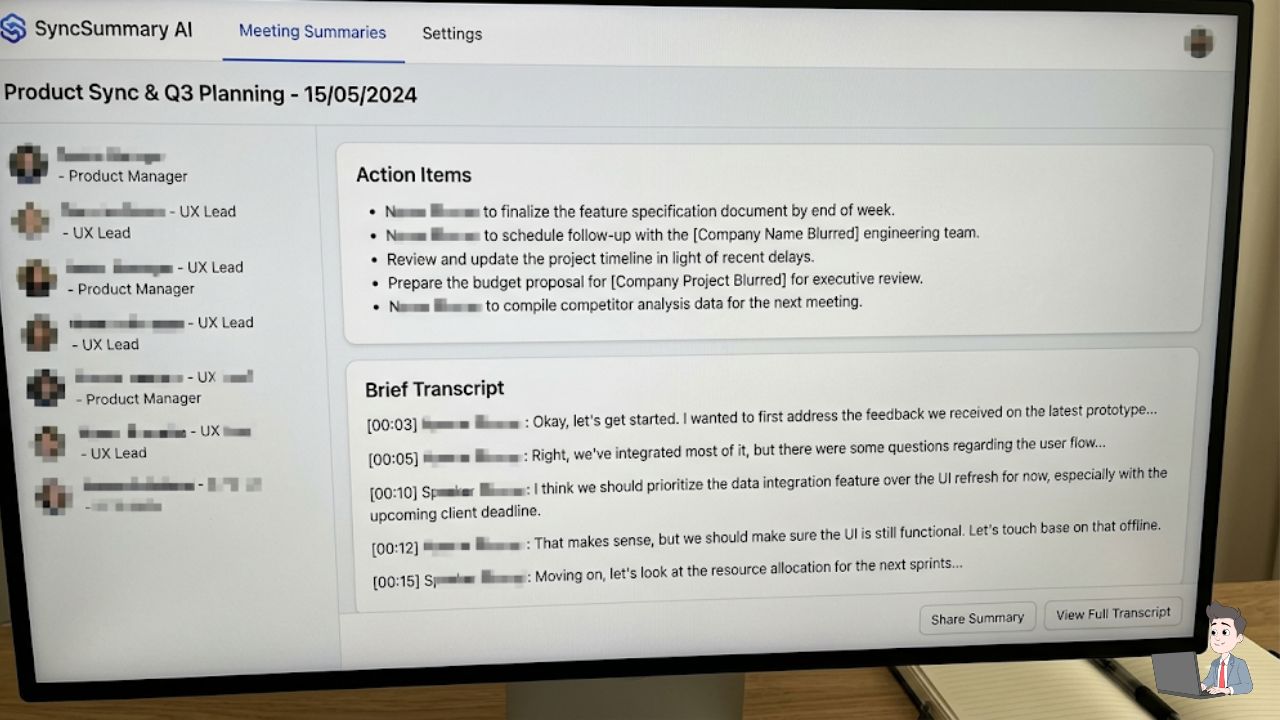
Instead, use AI to automate the 30% of administrative garbage that drains your energy. Tools like Fathom instantly generate a bulleted call summary, identify action items, and push those notes directly into your CRM the second the call ends.
It frees the human up to focus 100% on the prospect’s emotional needs, rather than furiously typing notes on a secondary monitor.
Phase 3: Decoding “Objection Patterns”
One of the most powerful things AI can do is tell you why deals are dying across your entire company.
The Competitor Drop You can program your AI tool to actively listen for specific competitor names.
Let’s say you keep hearing the name “TechCorp” on calls. The AI will cross-reference this and tell you: “When TechCorp is mentioned on a discovery call, your win rate drops by 60%.”
That is a massive insight. The fix? You sit down and script out highly specific counter-arguments for TechCorp so your reps are ready the next time that name is dropped.
The Pricing Flinch (Sentiment Analysis) Advanced AI tools track the emotional temperature of a call, mapping “Sentiment Spikes” on a timeline.
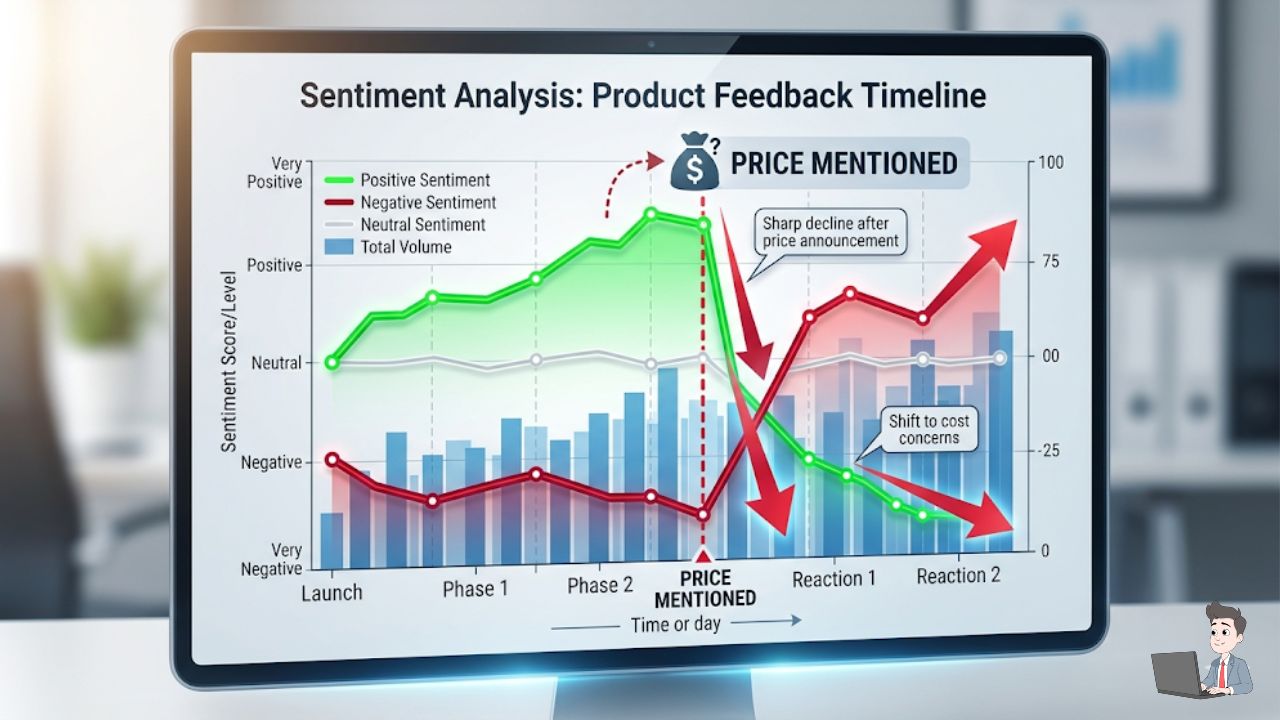
I was reviewing a lost deal and looked at the sentiment graph. At minute 14, the rep mentioned the price. Immediately, the AI detected a massive drop in “Positive Sentiment” from the prospect.
The data made the problem obvious: The rep was presenting the cost way before they had established the actual value. We restructured the pitch to delay pricing until minute 25, and our close rate jumped.
Phase 4: The Legal Safety Check (Mandatory)
Before you rush out and buy a Conversation Intelligence tool, we have to talk about compliance. If you screw this up, you can face massive fines.
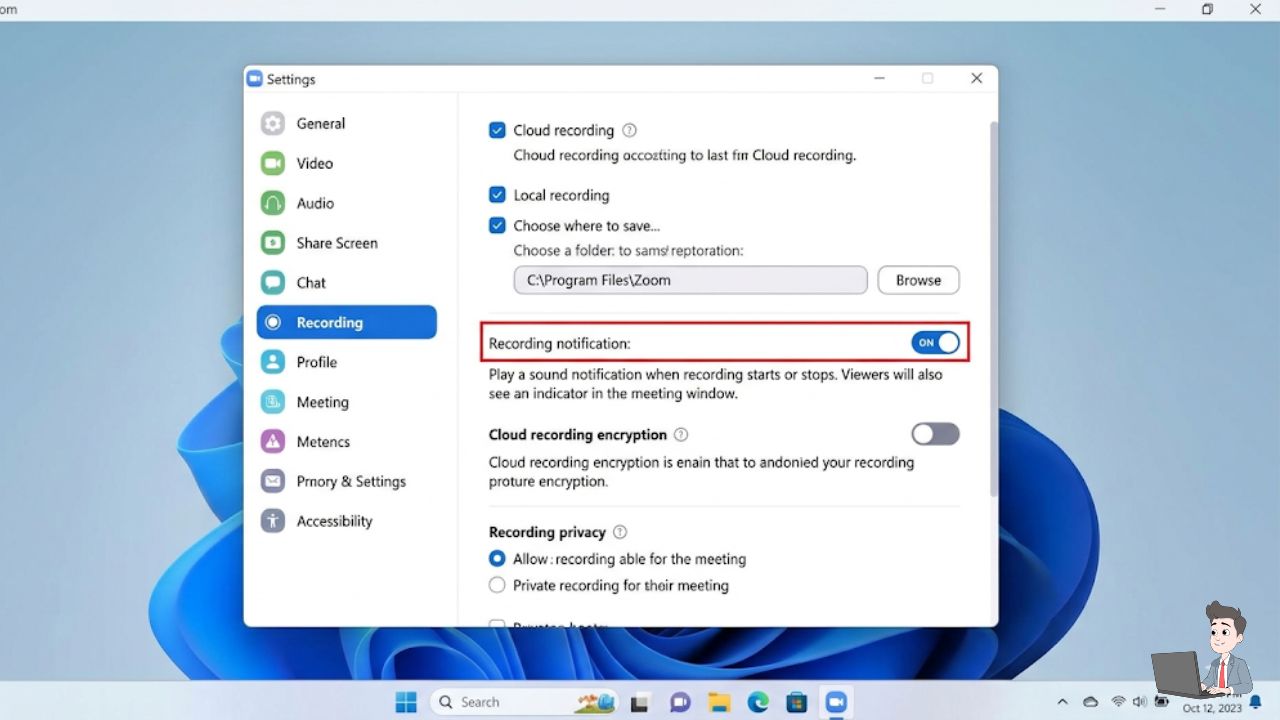
Two-Party Consent Laws Depending on where you and your client live, you absolutely cannot record a phone call unless both parties explicitly agree to it. You must configure your software to play an automated audio message: “Hi, this call is being recorded for quality and training purposes,” or display a persistent visual disclaimer on video calls.
Handling Sensitive Data If you take credit card numbers over the phone, that data cannot legally sit in a plain-text transcript. Ensure your AI platform utilizes “PII Redaction” to automatically detect and delete sensitive 16-digit numbers from the audio and text records.
Phase 5: Building a “Film Room” Culture
Having the data is useless if you weaponize it. If you use call recordings to micromanage your team, they will revolt. You have to build a culture of continuous improvement.
I run a weekly 30-minute “Film Room” meeting with my team:
- The Highlight Reel (5 Mins): Always start with a win. Play a clip of a rep neutralizing a tough objection perfectly.
- The Game Tape (10 Mins): Play a clip of a struggling moment. Ask the room: “Right here at minute 5:00, how could we have answered that better?”
- The Drill (15 Mins): Don’t just talk about it—practice it. Pair the reps up and roleplay the improved answer right then and there.
The Bottom Line
Closing deals isn’t magic, and it isn’t about having a “silver tongue.” It is a highly measurable, highly repeatable process.
By pulling AI Conversation Intelligence into your tech stack, you stop being a boss who just demands better results and start being a coach who engineers them. Start recording your meetings this week. The data might bruise your ego at first, but it will absolutely transform your pipeline.
Business Disclaimer: This article is for informational and educational purposes only, based on my personal experience managing B2B sales teams. It does not constitute legal or financial advice. Always consult with legal counsel regarding call recording consent laws and data compliance regulations in your specific jurisdiction.
About the Author: Olivia is a digital workflow specialist and the founder of Profit Shield AI. She helps business owners and sales teams integrate AI-driven intelligence tools to streamline their operations, capture lost revenue, and build data-backed sales cultures.