The first time I realized I was being “nickel-and-dimed” by a long-term vendor, I wasn’t even looking for it.
I was just scrolling through a logistics invoice on a quiet Tuesday afternoon when I noticed a $0.05 discrepancy on a unit price.
Five cents. In the grand scheme of a $10,000 order, it felt like a rounding error. But as a founder obsessed with operational efficiency, I did the math.
We ordered 20,000 of those units every single month. That “tiny” five-cent variance was actually a $1,000-a-month leak in our Accounts Payable.
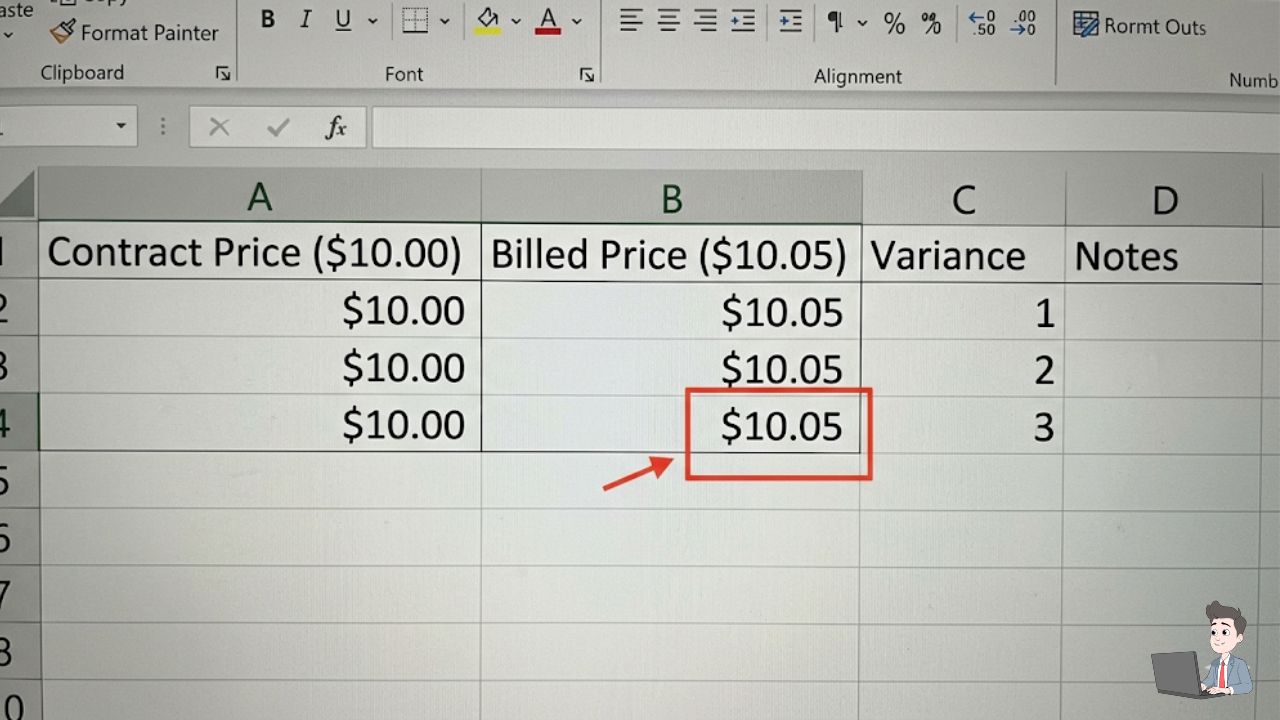
Over the course of a year, that was $12,000 of pure profit just… evaporating.
It was positioned as a “clerical error” that just so happened to be in the vendor’s favor.
I felt like an idiot. I’d spent months meticulously optimizing our Pinterest ad spend to save a few hundred dollars, while thousands were flying out the back door through basic procurement inefficiencies.
The Dangerous Autopilot of Trust
In business finance, there is a dangerous, autopilot assumption that the vendor’s math must be right. We trust the system. We assume the price on the bill matches the price in the contract.
But the reality of data entry is much messier. According to some industry estimates, basic errors occur in a small but significant percentage of standard invoices.
If you are spending $1 million a year on procurement, even a 1% error rate is $10,000 annually lost to “Vampire Billing.”
Manual auditing is an operational nightmare. No human wants to cross-reference 500 line items against a 40-page contract.
This is exactly where I’ve started using AI as a “Profit Shield.” It’s not about being aggressive to your vendors; it’s about ensuring that the data matches the handshake.
Phase 1: Identifying Common Data Leaks
Before you can fix the leak, you have to know where the holes usually are. In my technical experience, these are rarely instances of malicious fraud.
Vendors are not typically trying to rob you; they are often just as disorganized as everyone else. Their systems have glitches, their data entry is manual, and “price creep” happens when no one is watching the contract details.
Here are the three most common anomalies I find:
- The “Price Creep” Anomaly: A vendor raises a price by a tiny fraction without sending a formal price-adjustment notice. It is small enough that it doesn’t trigger a red flag for a human reviewer.
- The “Ghost” SaaS License: We’ve all been there: you buy 10 seats of a tool, then 3 team members leave. Six months later, you realize you have been paying for those unused “zombie” licenses every month. I once found an old CRM subscription for a department that didn’t even exist anymore. We’d paid nearly $4,000 for “empty air.”
- The Duplicate Payment Double-Tap: This happens more than you’d think. A vendor sends a digital invoice via their portal, then their system auto-generates a secondary PDF email a week later. If you have two different people who both have “approval” power, it is easy to pay the same bill twice.
Phase 2: The AI “Three-Way Match” Strategy
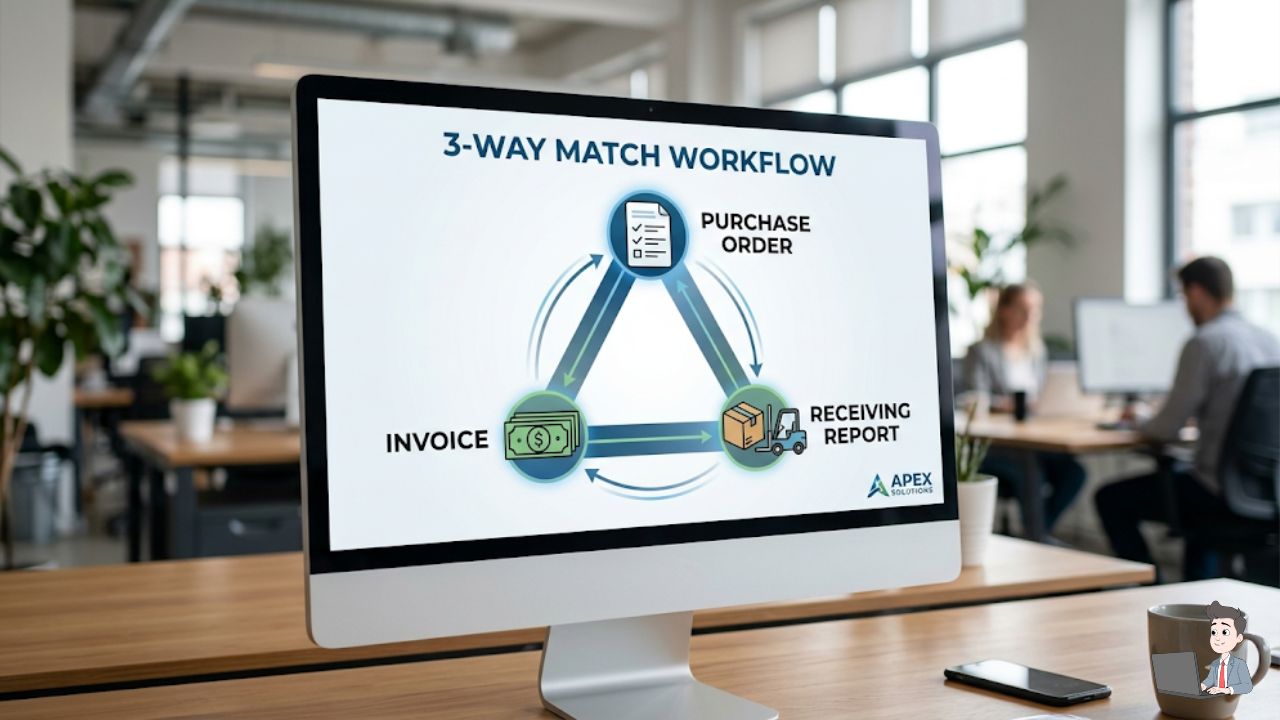
The secret weapon isn’t magic; it’s an automated process called Three-Way Matching. AI is the only practical way to do this properly at scale.
In a manual world, an accountant has to look at three different pieces of data to verify a charge. In my AI-driven workflow, I let automation handle this triangulation in seconds.
Here is the “Triangle of Truth” the AI looks for:
- The Purchase Order (PO): What you authorized to pay (the agreed price).
- The Receiving Report: What actually showed up (the quantity).
- The Invoice: What the vendor is asking for.
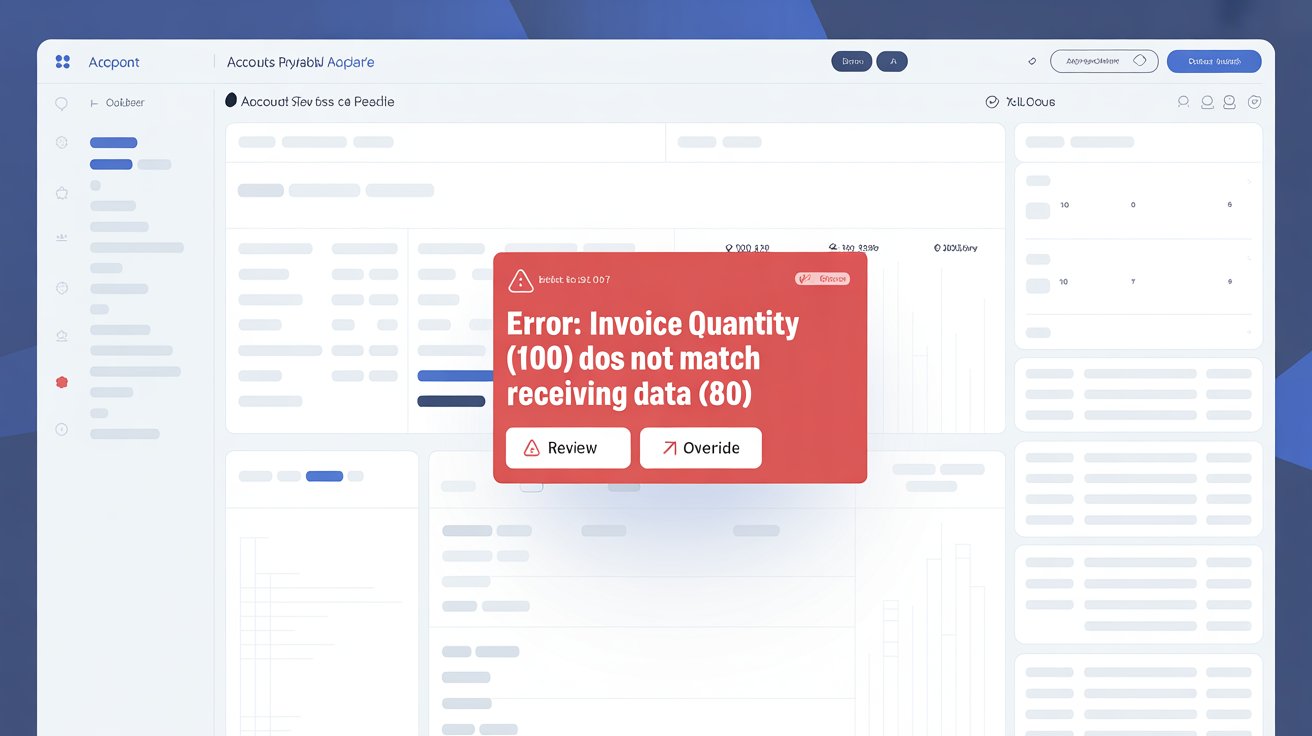
If the AI scans the invoice and sees a charge for 100 units, but the warehouse data says only 80 units arrived, the AI triggers a “Hard Block.” It stops the payment before a single cent leaves your account.
Watch this highly technical breakdown on how to actually build an automated AI workflow to detect duplicate invoices before we move into semantic contract analysis.
Phase 3: Semantic Analysis for Contract Compliance
Beyond basic math, I have started using AI algorithms for Semantic Contract Analysis.
Some bills, particularly cloud computing or utility statements, are intentionally complex. I use AI to compare my current rates against my historical baseline.
For example, if my warehouse’s energy bill spikes by 20% in a month where production was actually down, the AI flags it as an anomaly. Usually, it’s a “peak hours” surcharge that shouldn’t have been applied according to our contract terms.
Another massive area is Logistics Auditing. Many contracts state: “Free shipping on orders over $2,500.” But I often see a “Freight Charge” show up on a $3,000 invoice.
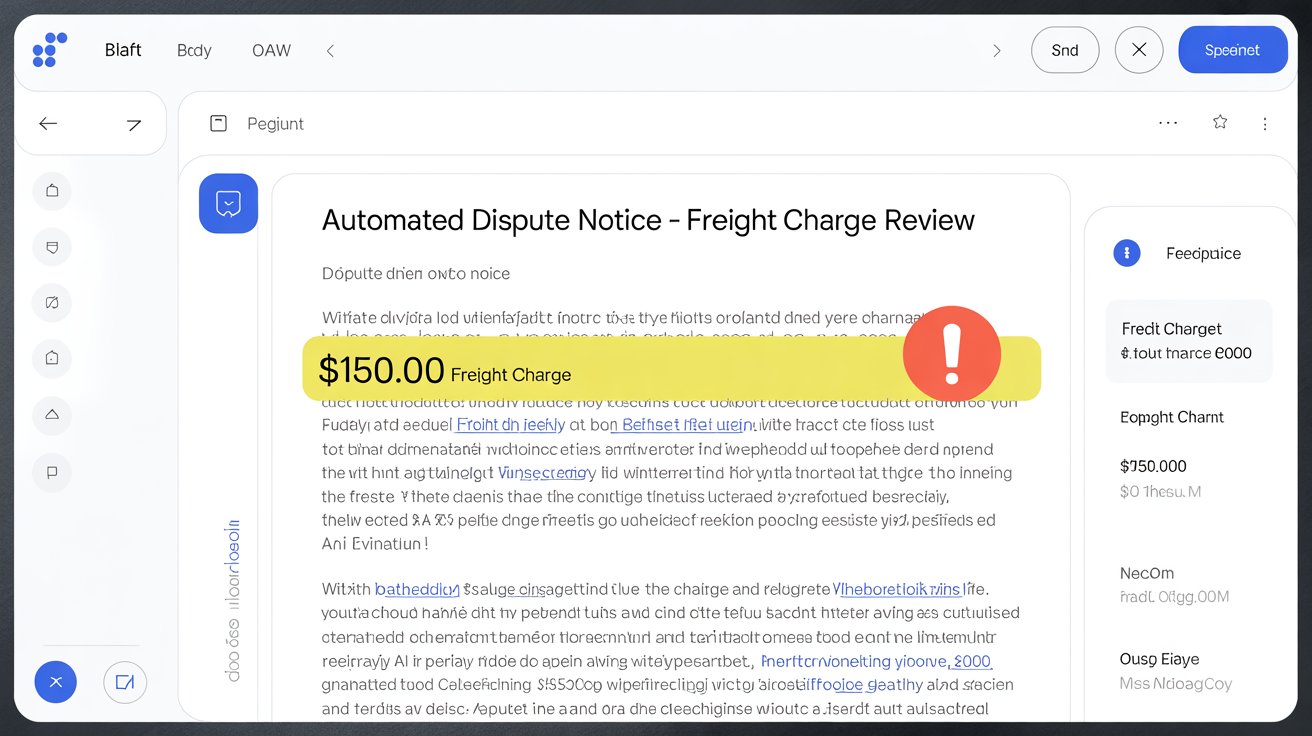
AI catches that instantly. It reads the contract, sees the $3,000 total, and automatically flags the error.
Common Mistakes I Learned Along the Way
I’ve made plenty of mistakes while setting this up. Here is what I learned from my own technical implementations:
- Over-Automation: Don’t let the AI pay the bills without a final human click. AI is great at finding errors, but it can still hallucinate a figure. The AI finds the problem; a human makes the final decision.
- Ignoring the “Master Data”: Your AI is only as smart as your contract data. If you haven’t updated your Master Service Agreement (MSA) in your system to reflect new pricing, the AI will flag correct invoices as errors. Keeping your “source of truth” clean is 90% of the battle.
- Being “The Aggressor”: Remember, most of these mistakes are accidents. Approach the vendor with a tone of: “Hey, our system found a data mismatch, can you help us double-check this?” It maintains the relationship while still protecting your cash.
The Bottom Line: From Cost Center to Profit Center
We have always been taught that Accounts Payable is a “Cost Center”—a place where money goes to die. But by using AI to audit your spend, you transform that department into a profit center.
Every dollar you “recover” from a billing error is a dollar of pure profit. You don’t have to sell a new product, run an ad campaign, or hire a salesperson to get that money. You just have to stop it from leaving the building in the first place.
Take a look at your last three months of invoices this weekend. I bet you will find a “zombie” or two waiting for you. It’s time to start shielding your profits.
Business Disclaimer: The data in this article is based on the author’s personal experiences with workflow automation. It does not constitute certified financial or legal advice. Billing error rates can vary drastically by industry and business size. Always consult with a qualified financial advisor before implementing major procurement software changes.
About the Author: Olivia is an automation specialist and the founder of Profit Shield AI. With years of technical experience optimizing business backend systems, she helps other founders use Python scripting and AI auditing tools to reclaim wasted time and operational revenue.