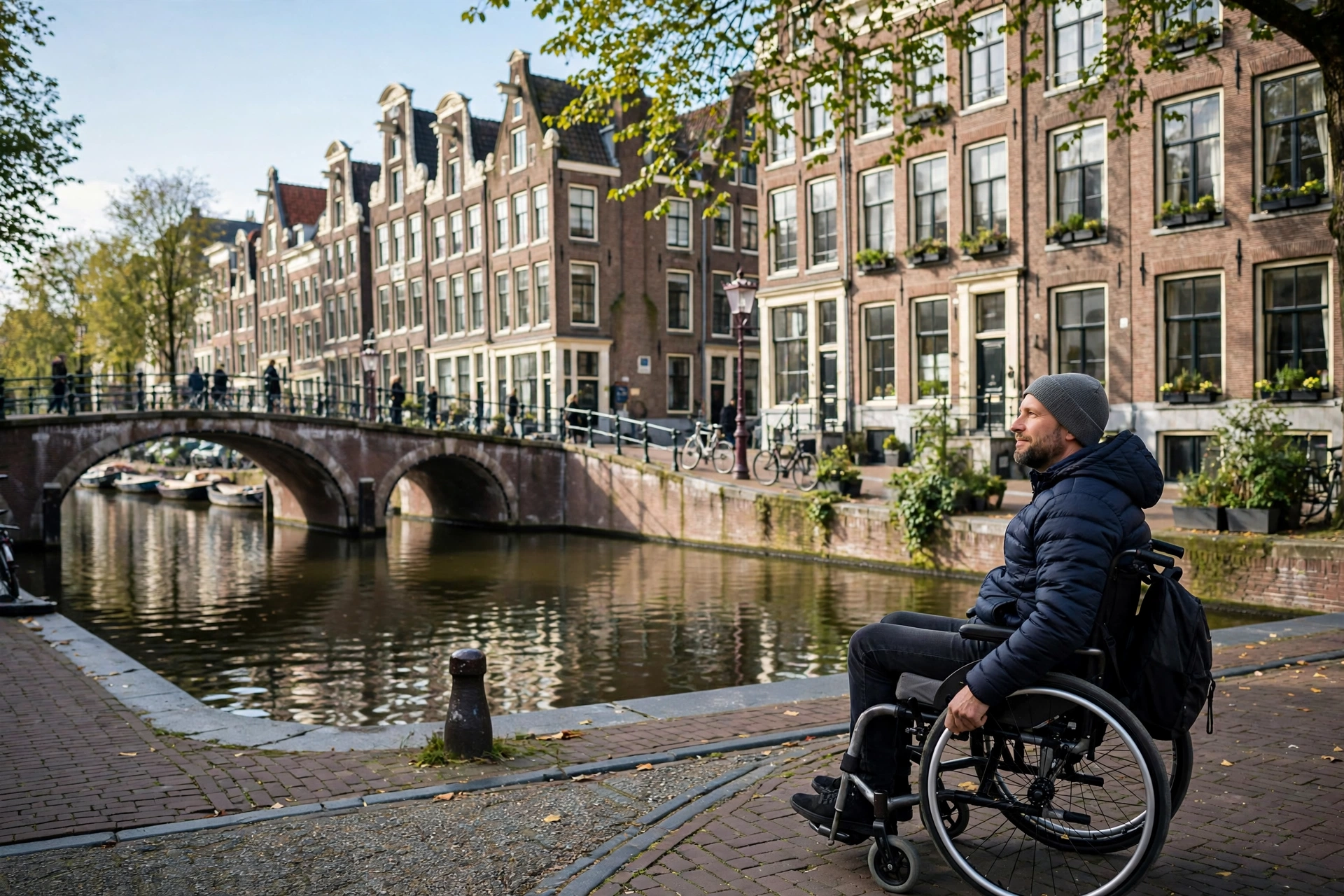
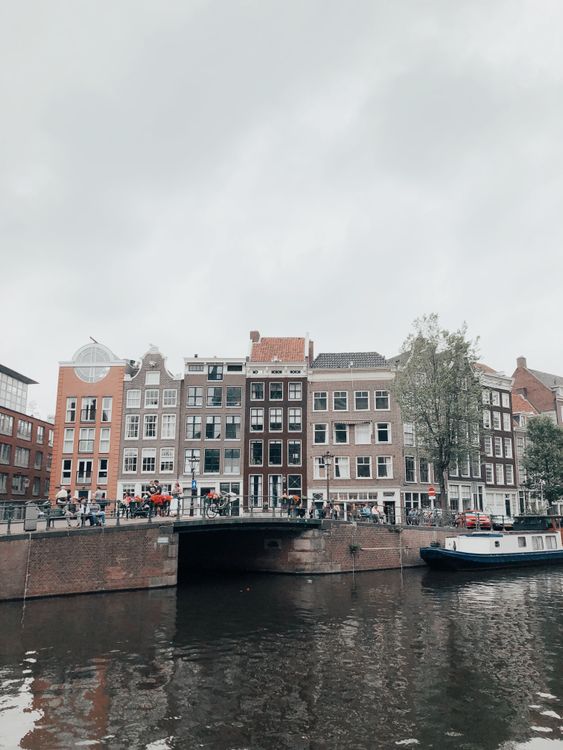
Amsterdam is the city of a thousand postcards: canal houses leaning over still water, bicycles gliding past, café terraces golden in the evening sun. It is also a seventeenth-century city built long before anyone thought about step-free access — and if you use a wheelchair, you deserve the honest picture before you book.
Here is the short version on amsterdam wheelchair access: the city is genuinely doable, and in many ways kinder than its reputation suggests. The metro is fully step-free, the trams are increasingly low-floor, the big museums have done serious work on access, and the pancake-flat landscape means no hills to fight. But the cobblestones are real, many canal bridges have steps, and some of the prettiest streets will rattle your teeth. This guide gives you the full truth, plus the practical workarounds that make Amsterdam work.
The honest truth about canals, bridges and cobblestones
Let us start with the romance-killer: Amsterdam’s beauty is also its barrier. The canal belt’s bridges are often steeply arched, and many have steps on one side or both. The historic centre’s streets are paved with setts — the small, uneven stones visitors call cobblestones — which are bumpy, slippery when wet, and tiring in a manual chair.
But here is what actually works. The city has been gradually smoothing key routes, and the areas around Museumplein, the main shopping streets, and newer districts like the Eastern Docklands are far smoother under wheel. Where old paving persists, many wheelchair users ride on the red cycle paths, which are usually smooth asphalt — just stay alert, because Amsterdam’s cyclists move fast and expect you to know it. A power chair or a sturdy manual chair handles the centre best, and rain changes everything: wet setts are treacherous, so plan museum days for wet days.
Getting around: trams, metro, buses and paying your fare
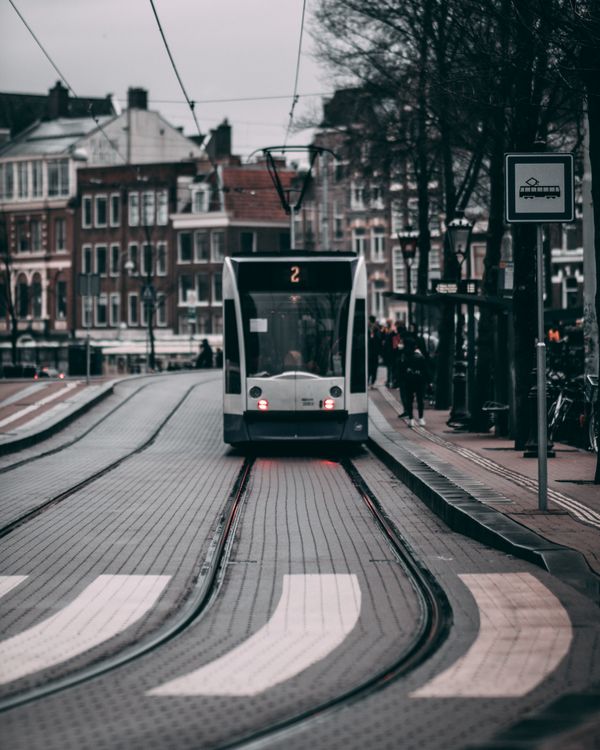
Public transport is run by GVB, and the news is mostly good. The metro is the star: every station has lifts and level boarding, making it the most reliably step-free way to cross the city. Buses are low-floor with ramps across the fleet.
Trams are a mixed picture that keeps improving. Newer low-floor trams with deployable ramps now serve many central lines — look for the wheelchair symbol and board through the designated middle doors, where the driver can deploy the ramp for you. Older high-floor trams still appear on some routes, so check the GVB app or website for accessible departures before you set out. A genuinely useful habit: check lift status for your metro stations too, especially when changing lines.
Paying is simple: tap in and out with a contactless bank card or phone — no special ticket needed. Just remember to tap out at the end, or you will be charged the maximum fare.
The big museums: Rijksmuseum and Van Gogh Museum
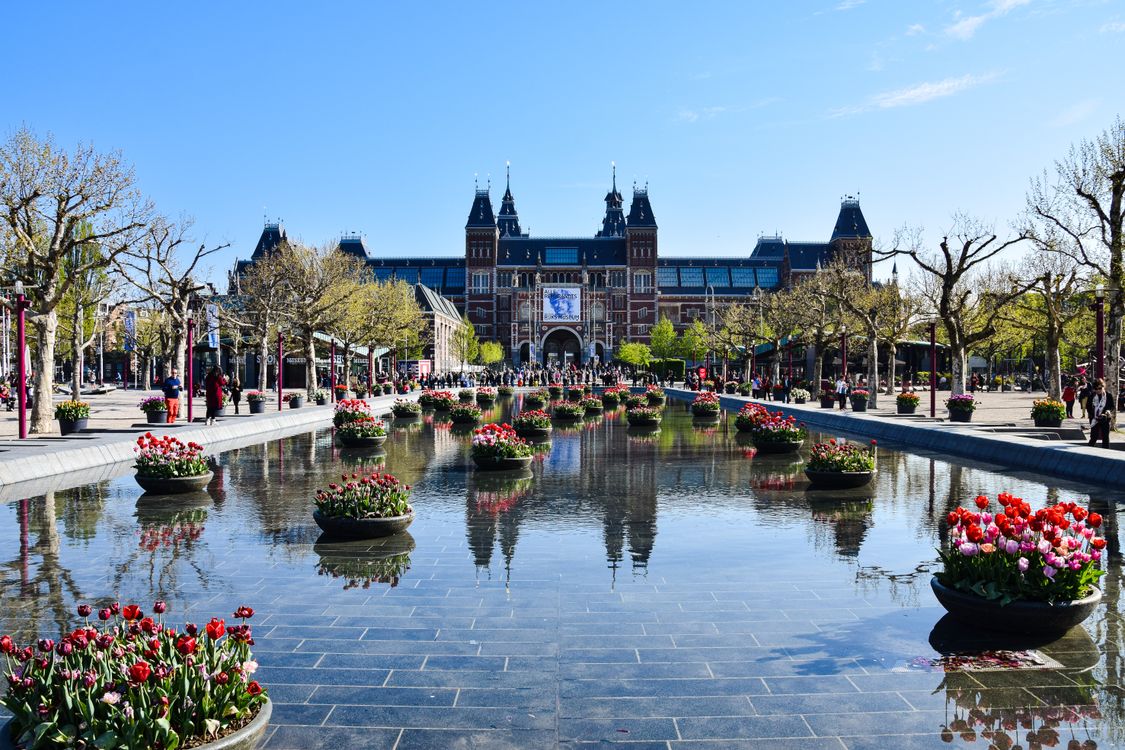
The two museums everyone asks about have both invested seriously in access. The Rijksmuseum’s main entrance on Museumplein is step-free, with lifts serving all floors and step-free routes through the galleries. Wheelchairs are available to borrow free of charge — reserve ahead in busy periods — and there are accessible toilets on several levels. The vast atrium can be echoey and crowded, so arriving at opening time makes for a calmer visit.
The Van Gogh Museum was designed with access in mind: step-free entry, lifts to every floor, and spacious galleries that are easy to navigate. Wheelchairs are available to borrow, and both museums offer discounted or free entry for a companion in many cases — check the current policy when you book. Buy timed tickets online to skip the queues, which is a kindness to everyone.
Canal cruises: which boats can take a wheelchair
A trip to Amsterdam without seeing it from the water feels incomplete — and yes, it is possible in a wheelchair, with one big caveat: most historic canal boats are not accessible. Narrow gangplanks, steps down into the cabin, and no accessible toilet are the norm on the classic vessels.
What to do instead: book specifically with operators that advertise wheelchair-accessible boats. Blue Boat Company, one of the largest operators, runs wheelchair-accessible cruises on certain vessels — choose the accessible option when booking and confirm the boarding arrangements in advance. A handful of smaller operators also offer step-free boarding. Ask directly: is boarding ramped, is there a wheelchair space on board, and is there an accessible toilet? Always confirm by phone or email before you book, because accessible boats may only run at certain times of day.
Where to stay: the calmest, flattest neighbourhoods
Where you sleep shapes your whole trip, and for amsterdam wheelchair access it matters more than in most cities. The most wheelchair-friendly bases are the flatter, newer, or recently repaved areas: around Museumplein and Oud-Zuid (close to the big museums, smoother streets), the Plantage (quieter, greener, near the Hermitage), and the Eastern Docklands or Zuidas for modern hotels with guaranteed lifts and roll-in showers.
Be cautious about romantic canal-house hotels in the oldest centre: many sit in centuries-old buildings with steps at the entrance, tiny historic lifts — or none at all — and bathrooms no renovation can fully fix. When booking anywhere, do not trust the word “accessible” alone. Email the hotel and ask specific questions: is there step-free access from the street to reception? Does the lift reach my floor? Is the shower roll-in or over a bath? The hotels that answer precisely are the ones that will look after you well.
Practical tips that make the difference
- Accessible toilets: download the HogeNood app, which maps accessible toilets across the Netherlands — including department stores and museums in Amsterdam.
- Schiphol Airport: book assistance with your airline at least 48 hours ahead. The airport’s assistance team is well organised, and the train station below the terminal has lifts to every platform.
- Day trips: pair Amsterdam with flat, easy towns like Haarlem or Utrecht, both reachable by step-free trains in under half an hour.
- Pace yourself: the centre rewards slow exploration. Plan one major sight a day, build in café stops, and remember the prettiest canal views are free — you do not need to conquer every bridge to feel the city’s magic.
Related guides
Keep exploring with these related guides: Venice for wheelchair users, the Tokyo wheelchair accessibility guide, and booking an accessible airport transfer.
Amsterdam wheelchair access: frequently asked questions
Is Amsterdam wheelchair friendly overall?
Yes, with caveats. The metro is fully step-free, trams are increasingly accessible, the big museums have excellent access, and the flat terrain helps enormously. The challenges are the historic ones: cobblestones, stepped canal bridges, and older buildings. With planning — and the tips in this guide — most wheelchair users have a wonderful trip.
Are Amsterdam’s trams wheelchair accessible?
Many are. Newer low-floor trams with ramps serve much of the central network — board through the middle doors marked with the wheelchair symbol and the driver will deploy the ramp. Older high-floor trams still run on some routes, so check the GVB app for accessible departures before you travel.
Can I take a canal cruise in a wheelchair?
Yes, if you book with the right operator. Most historic boats are not accessible, but companies including Blue Boat operate wheelchair-accessible boats on certain departures. Book the accessible option in advance, confirm ramped boarding by phone or email, and ask about accessible toilets on board.
Which museums are best for wheelchair users?
The Rijksmuseum and Van Gogh Museum lead the way, both with step-free entrances, lifts to all floors, and wheelchairs to borrow. The Stedelijk Museum is also strong on access. Book timed tickets online everywhere to avoid queues.
What is the hardest part of Amsterdam for wheelchair users?
The historic street surfaces. Cobbled setts in the canal belt are bumpy and slippery when wet, and many beautiful canal bridges have steps. The workarounds: use the smooth cycle paths where safe, stick to repaved areas like Museumplein, take the metro to skip the worst stretches, and save museums for rainy days.
