
I remember sitting in front of my laptop last November, staring at a spreadsheet of about 450 names.
These were people who, at one point, had been excited about working with me. We’d had calls, exchanged emails, and discussed pricing.
And then? Radio silence. Total, echoing ghosting.
I felt like a failure every time I looked at that list. In my head, I’d labeled them “Dead Leads.”
I assumed they’d gone with a competitor, lost their budget, or—worse—just didn’t like me.
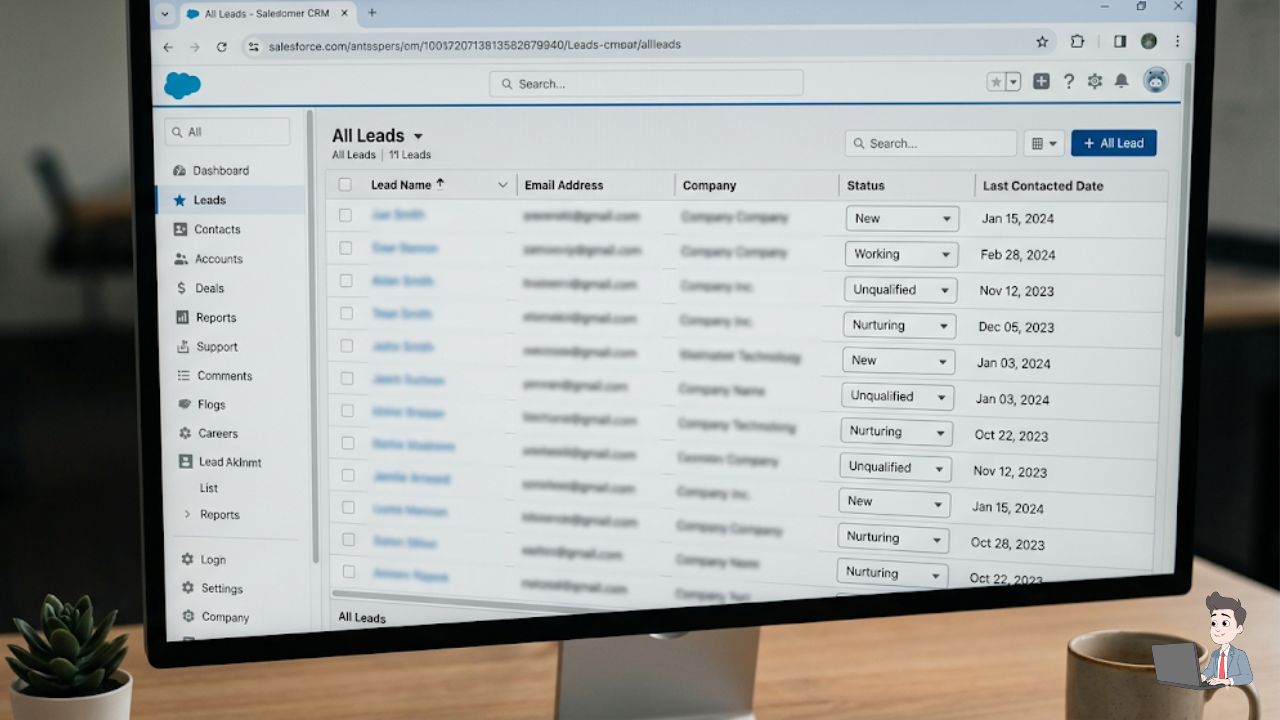
I’d spent thousands of dollars and hundreds of hours on SEO and Pinterest marketing to get those people into my ecosystem. Now, they were just… sitting there.
The Most Expensive Mistake in Business
The thought of manually emailing every single one of them felt like a death sentence. Who has the time to craft 450 “just checking in” emails?
But here’s the hard truth I’ve learned after a decade in this game: Those leads aren’t dead. They are just neglected.
Ignoring your past prospects is easily the most expensive mistake you can make. We’re so obsessed with “new traffic” that we step over the gold mine sitting in our CRMs.
It costs roughly five times more to acquire a new customer than to re-engage an old one.
In 2026, I stopped trying to be a superhero and started using AI as my “resurrection specialist.”
It’s not about sending robotic blasts; it’s about using technology to handle the logistics so I can focus on being a human.
Phase 1: The Diagnosis (Why They Actually Ghosted)
Before we touch a tool, we have to fix our mindset. When someone stops replying, our ego tells us it’s because they hate our offer.
In reality, a lead usually goes cold for very boring, human reasons:
- Bad Timing: They loved your idea, but their budget got slashed, and they were too embarrassed to tell you.
- The “Fire Drill”: An internal crisis happened, and your email got buried under 200 other “URGENT” messages.
- Friction: The next step you asked them to take felt too heavy, so they did nothing.
The “Dead Lead” is almost always just a “Busy Lead.” When you reach back out with AI, you aren’t bothering them. You’re checking to see if the world has stopped being on fire for them.
Phase 2: The 30/70 Rule for “Human” Automation
The biggest fear I hear is: “Won’t I sound like a robot?” The answer is yes—if you let the AI do everything.
I live by a 30/70 Rule:
Automate 30% (The Logistics): Let the AI handle the data entry, the scheduling, and the outreach timing.
Keep 70% Human (The Context): You provide the strategy, the creative “hook,” and the actual closing of the deal.
Think of AI as your tireless intern. It sorts the mail and puts the right files on your desk; it doesn’t represent you in court.
Strategy: Intent-Based Resurrection
This feels like magic, but it’s just smart data. Tools like Apollo can actually tell you when a company from your “dead list” is suddenly searching for your services again.
Imagine a lead who ghosted you six months ago suddenly starts searching for “best SEO strategies for 2026.”
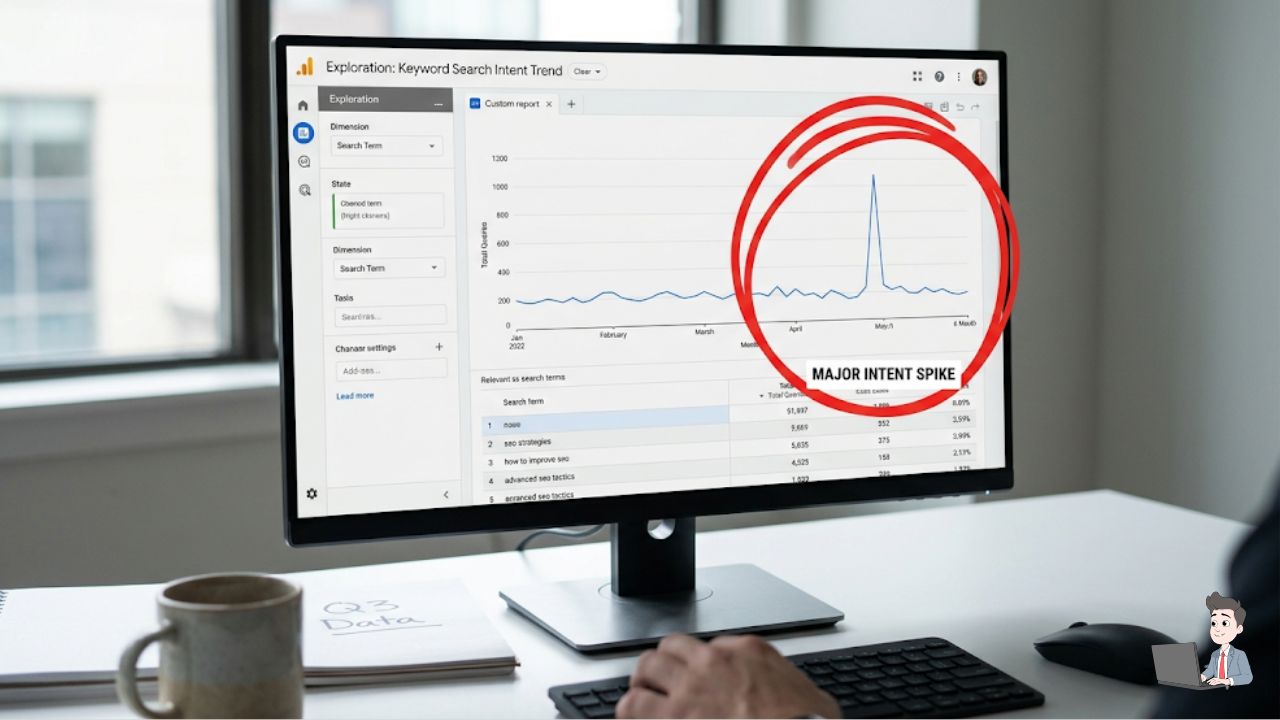
My AI tool sees that intent and triggers a notification.
I don’t say, “I saw you were searching for SEO.” That’s creepy.
I say: “Hi [Name], it’s been a while! I was just updating some of our 2026 strategy docs and your team came to mind. Hope things are going well.”
It’s timely, relevant, and feels like a coincidence—but it’s a data-driven win.
Phase 3: The Execution (A Safe Workflow)
If you just dump a 1-year-old list into an email sender, you will kill your domain reputation. Here is the exact workflow I use to stay safe and effective.
Step 1: Sanitize Your Data People change jobs. Emails expire. If you send 500 emails and 50 of them bounce, Google will mark you as a spammer.
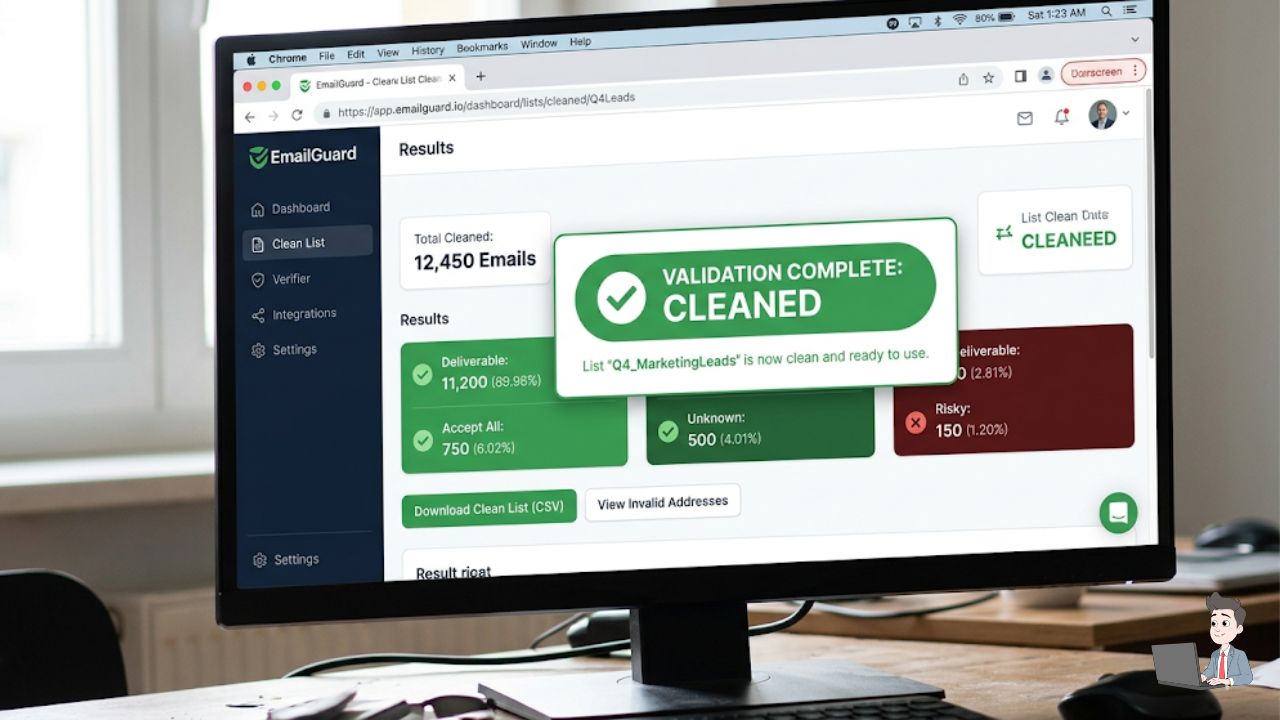
Before I load any list, I run it through a verification tool like NeverBounce. This removes the “dead” addresses so my deliverability stays high.
Step 2: The “Value” Hook, Not the “Hard Sell” When you wake someone up, do not ask for a meeting in the first email. That’s like asking a stranger for $50. It’s weird.
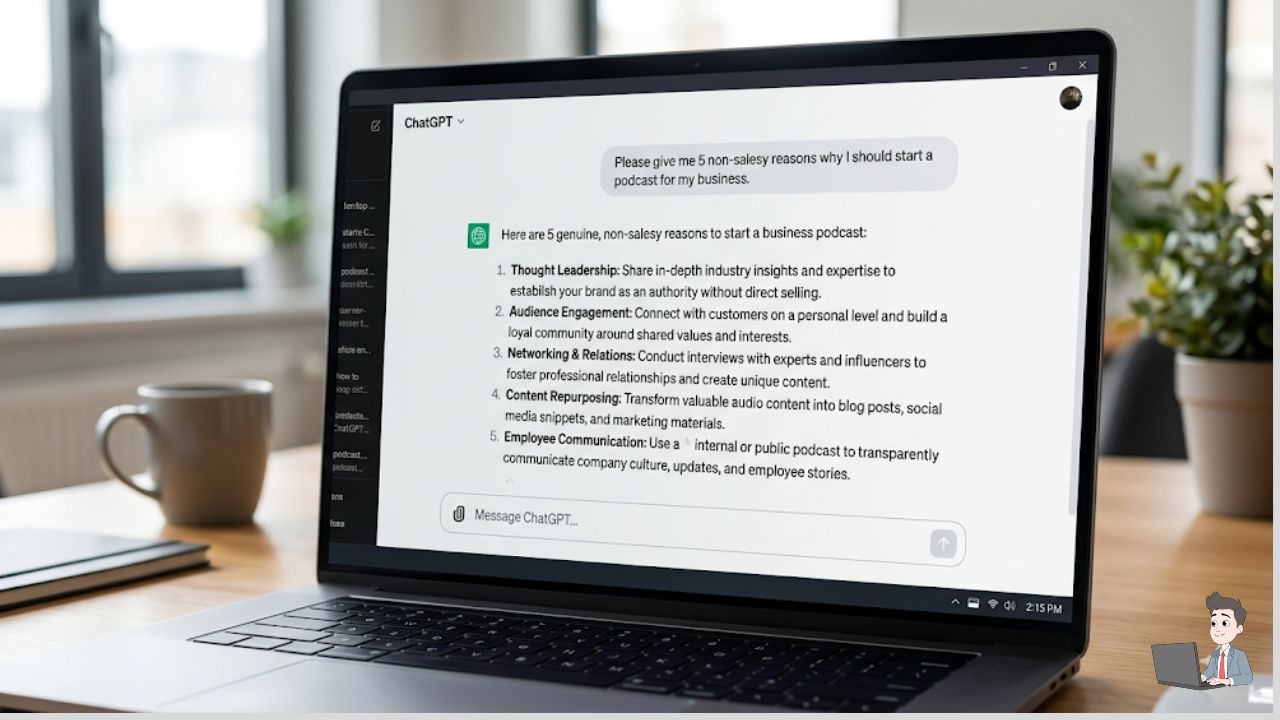
Instead, I offer a “gift.” I use ChatGPT to help me brainstorm: “Give me 5 non-salesy reasons to reach out to a past home-decor lead with a new Pinterest tip.”
Step 3: Responsible Tooling I use a lean stack to keep things manageable:
- Instantly.ai: For managing the email “cadence” so I don’t hit spam filters.
- ChatGPT: For drafting the content. I tell it: “Write this like a casual tech blogger, use short sentences, and keep it under 80 words.”
Real-Life Example: The $12,000 “Ghost”
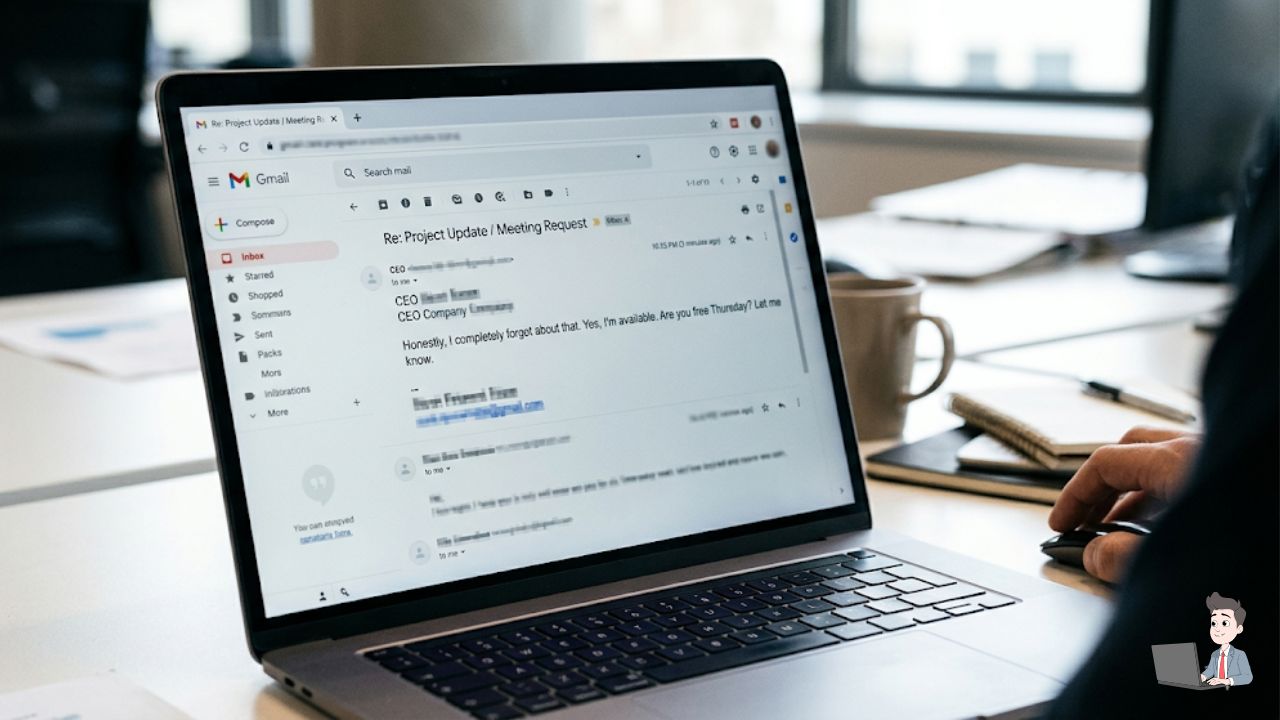
Last month, I used this exact workflow. I had a lead from a mid-sized tech firm who ghosted me in October.
The AI sent a simple, personalized note about a new SEO tool I was testing.
Two days later, the CEO replied: “Honestly, I completely forgot about our last chat. We got acquired in November and everything was chaos. Are you free Thursday?”
That one “automated” email turned into a $12,000 contract. It took the AI 3 seconds to send and me 20 minutes to prepare the list.
The Bottom Line: Consistency Over Magic
There is no “magic button.” AI won’t close the deal for you—and it shouldn’t. You still have to be the expert and the person they trust.
But what AI can do is ensure that no opportunity slips through the cracks just because you were too busy or too tired to follow up.
Go look at your “Dead Leads” folder today. I bet there’s a $10,000 “thank you” waiting for you in there—you just have to be the one to say hello first.
Business Disclaimer: This article is for informational purposes only. I am sharing my personal business workflows and case studies. This does not constitute professional business consulting or legal advice. Always ensure your outreach practices comply with local regulations like GDPR or the CAN-SPAM Act.
About the Author: Olivia is the founder of Profit Shield AI and a specialist in workflow automation. She helps small business owners use AI to reclaim their time and scale their content strategy without losing the human touch.